
MARCH 2-3, 2026

HILTON CHICAGO OAK BROOK HILLS RESORT

3500 MIDWEST ROAD | OAK BROOK, IL


BUILDING RESILIENCE FOR FIRST RESPONDERS TO EXCEL EACH AND EVERY DAY

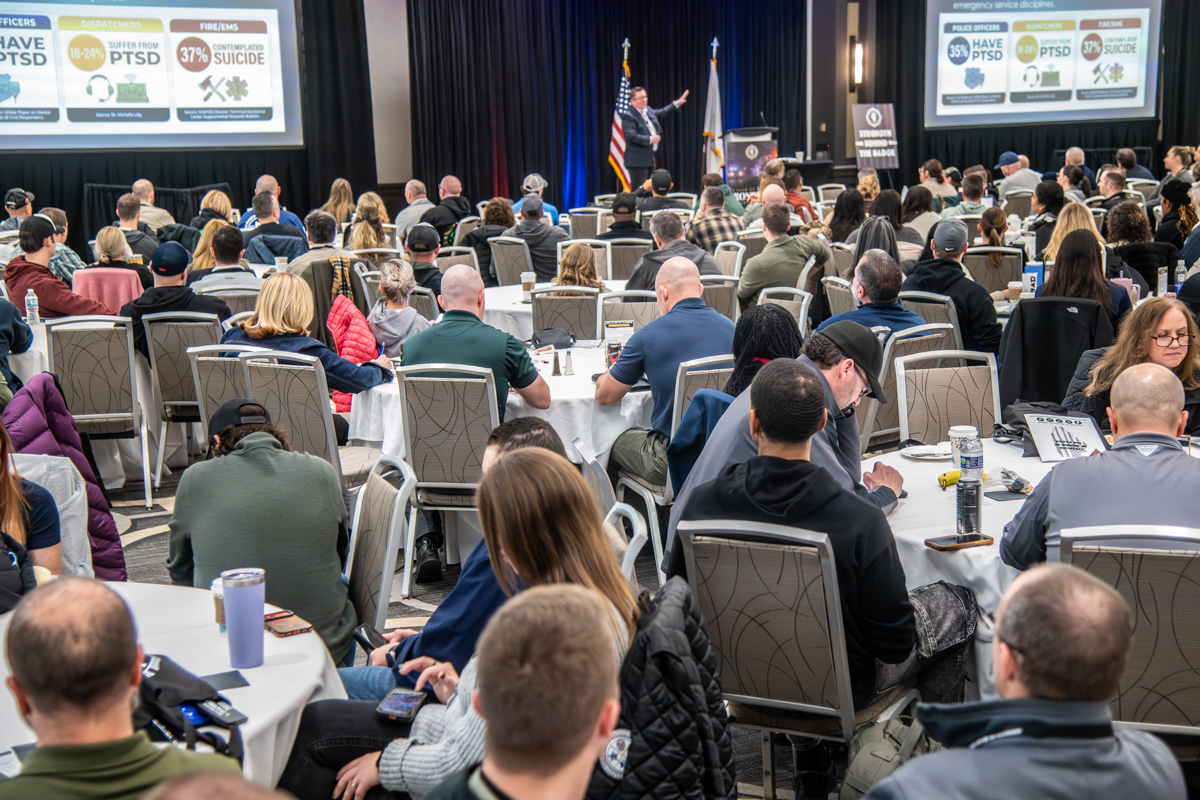
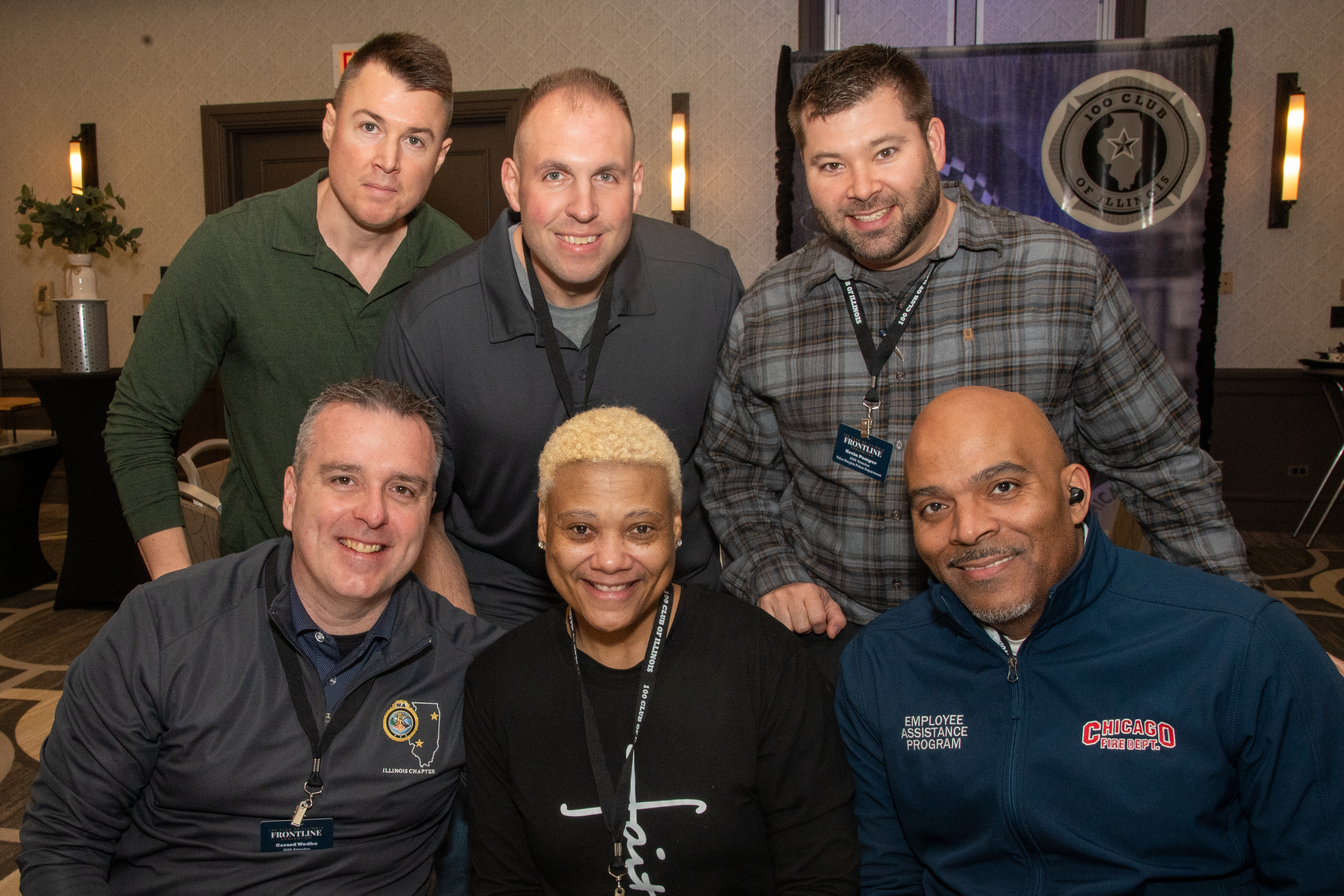
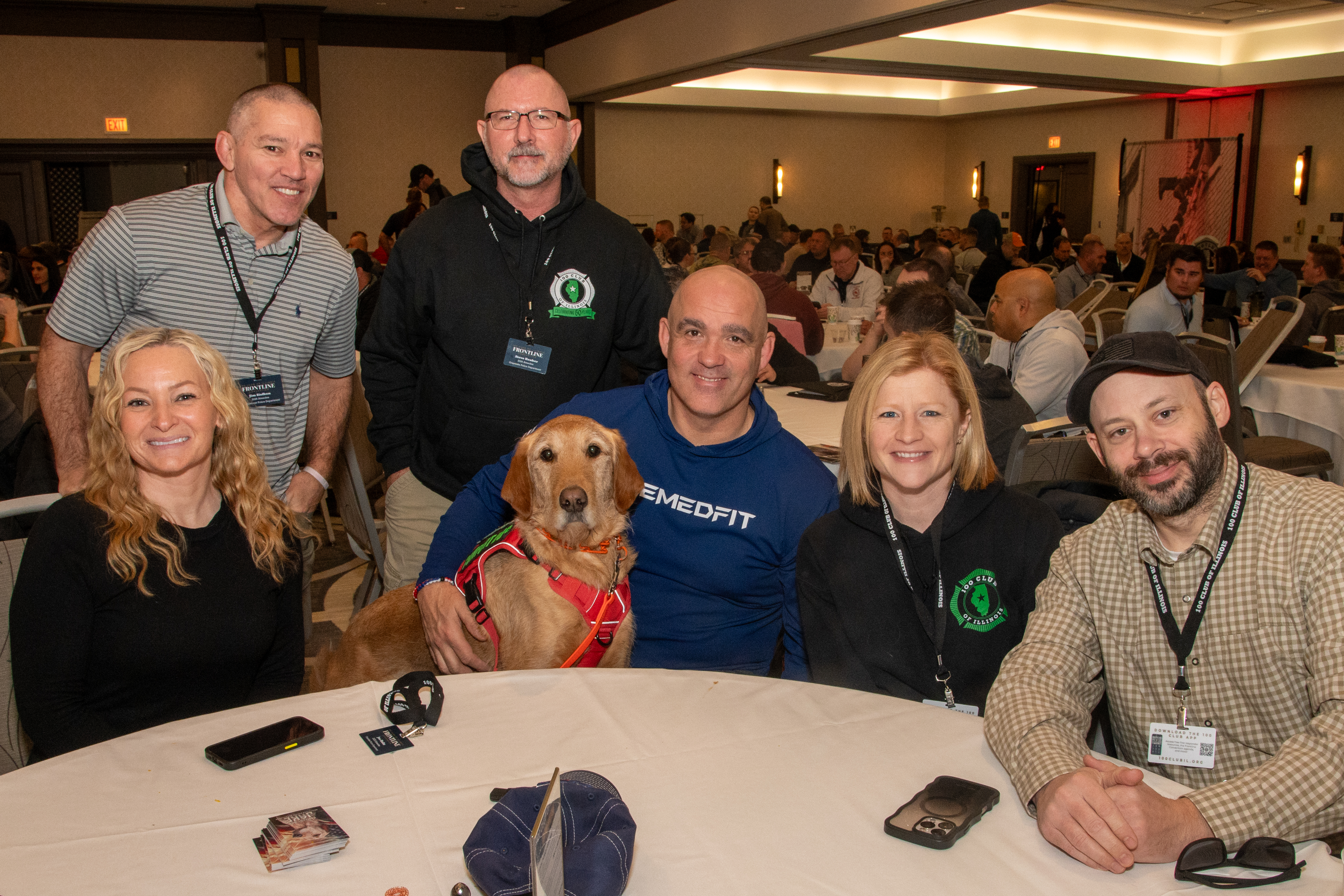
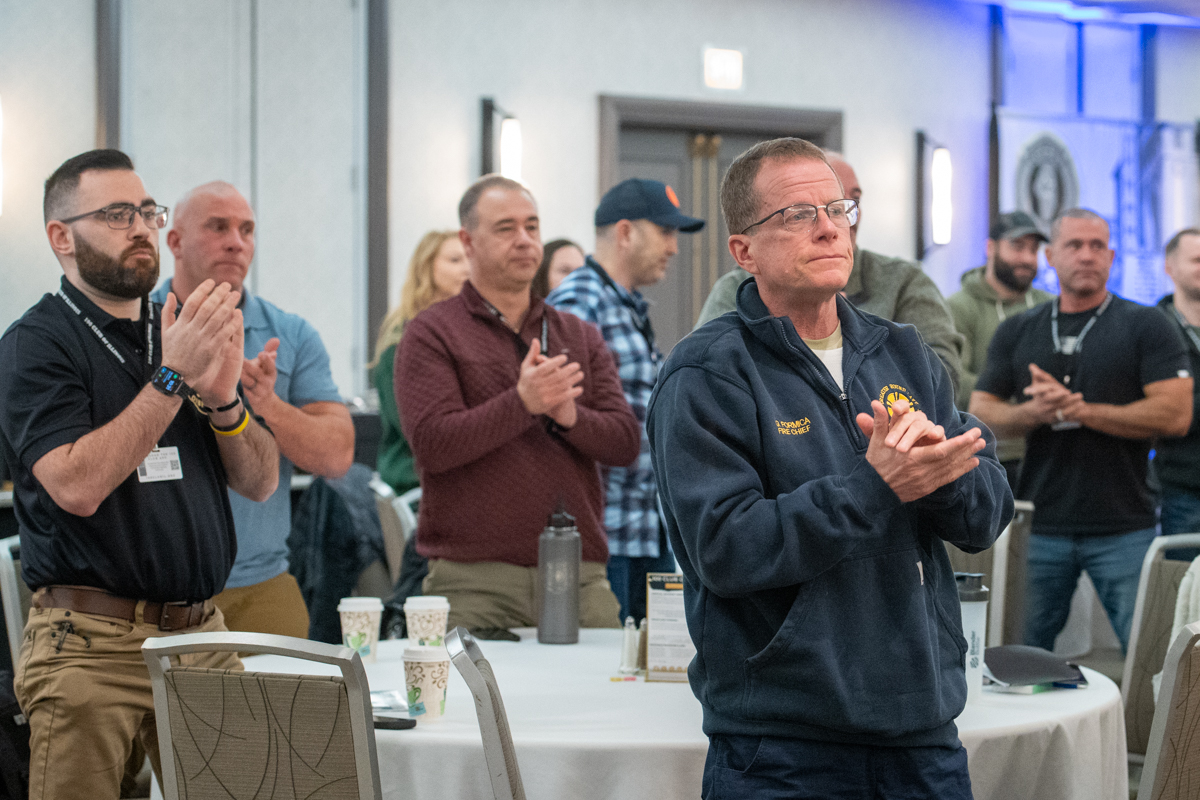
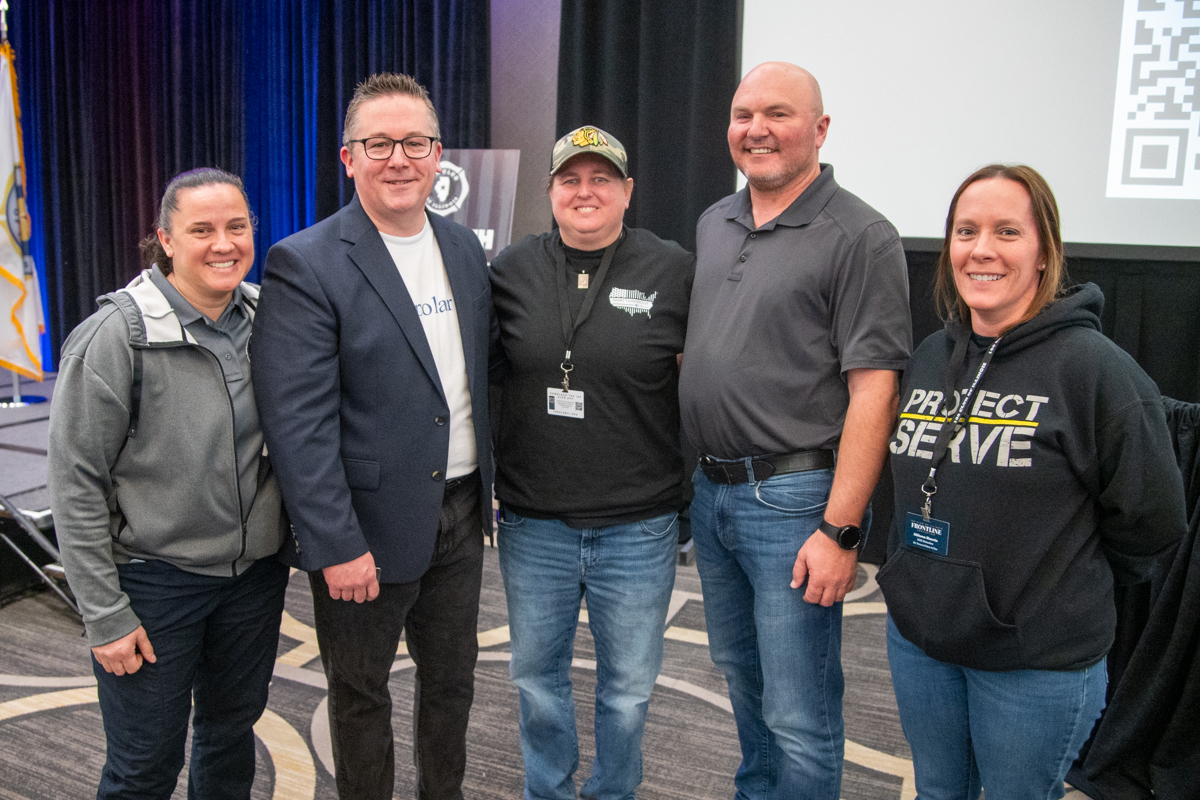
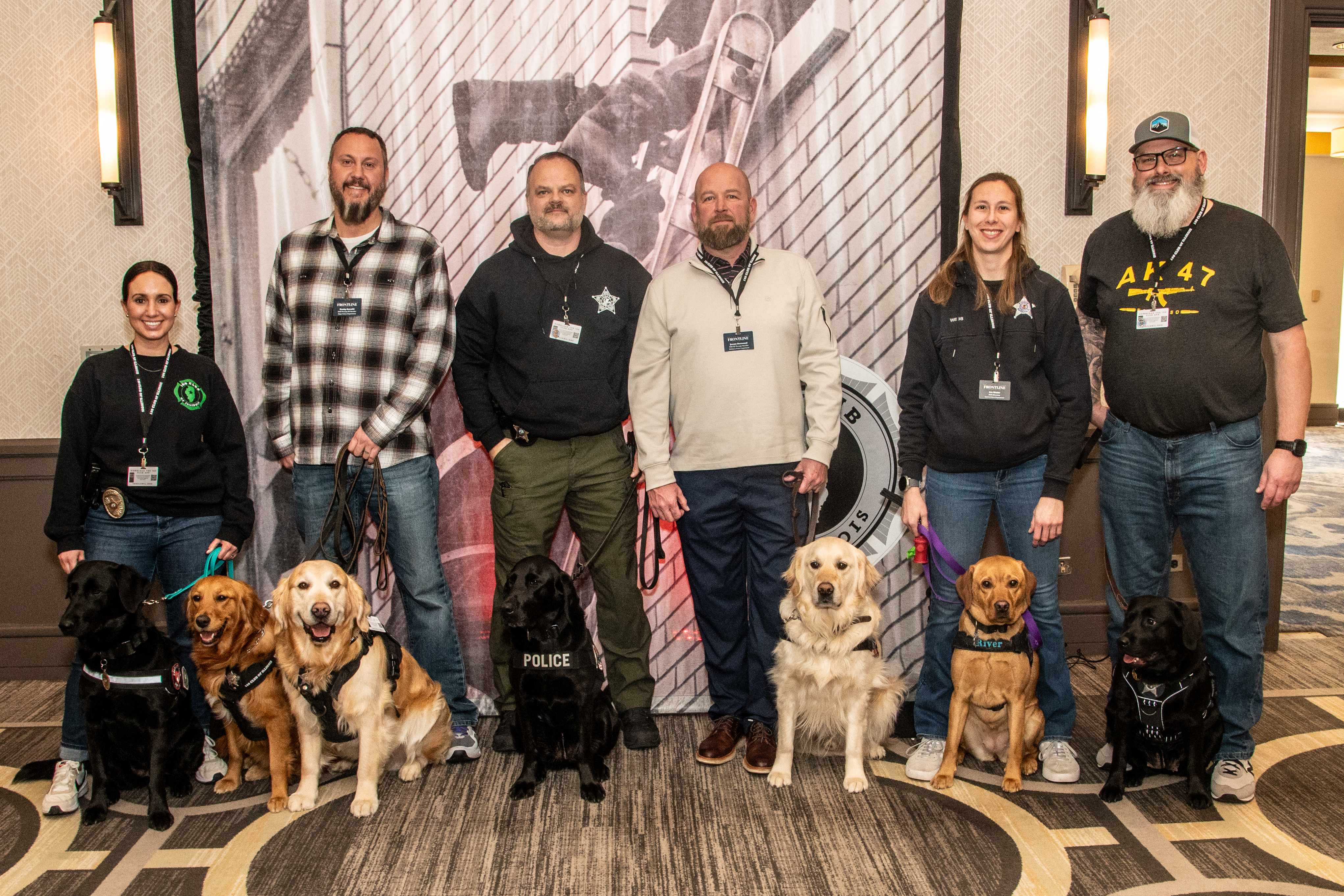
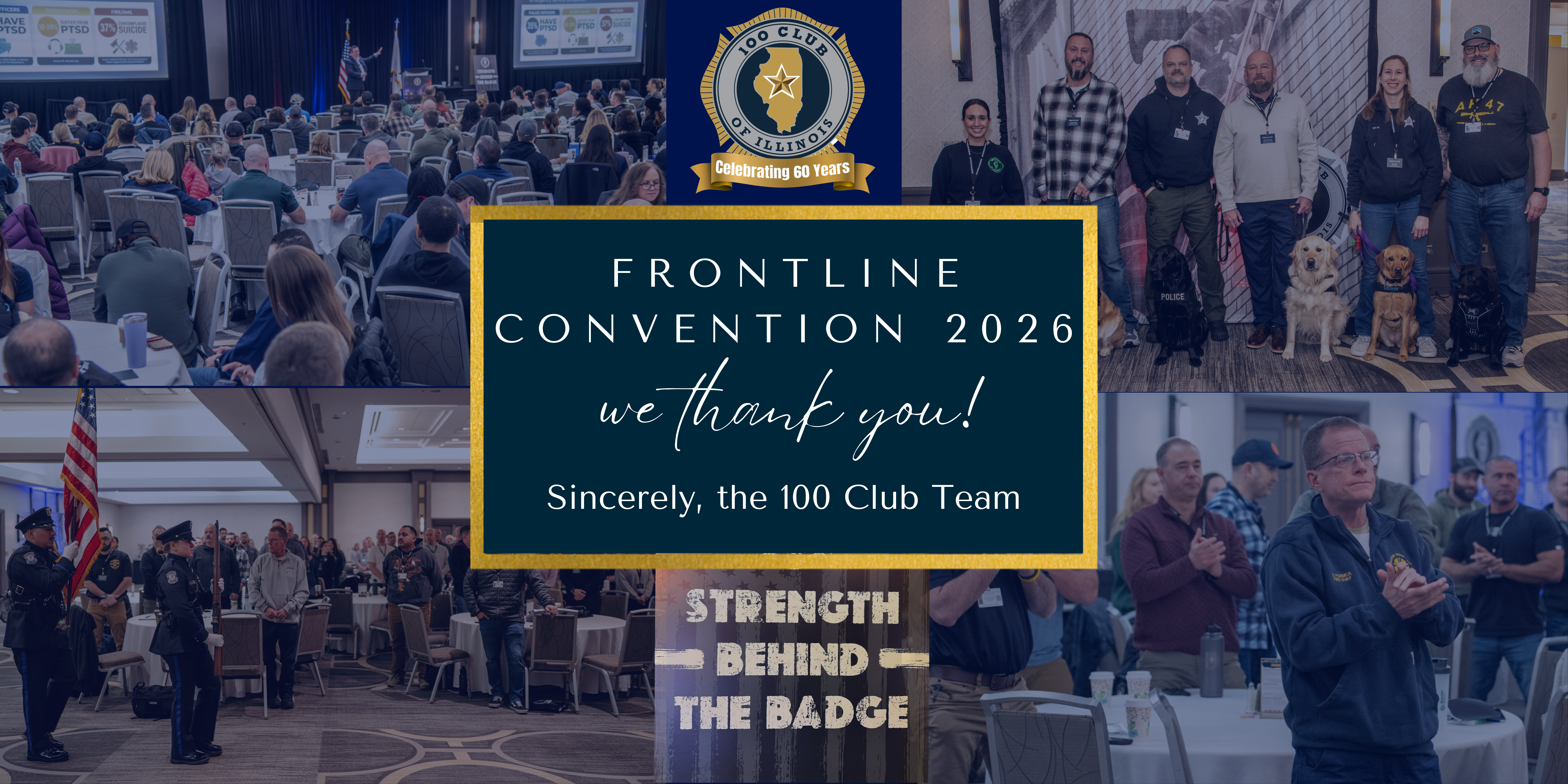
Save the Date for the 4th annual wellness conference equipping first responders with education, tangible tools, and connections to implement stronger wellness messages and programs personally and in their agencies. The Frontline Convention agenda includes keynote speakers, breakout sessions, and networking opportunities with fellow first responders and a resource network of select providers. Topics to be covered include but are not limited to resilience development, wellness (physical, emotional, mental, financial, relational, and more), peer support, treatment, and department programming and culture. Frontline Convention will also have Therapy K9s on site throughout the duration of the conference.


Notice: Participants who attend the full convention are eligible to receive 5 IDPH Credits and 10.25 clinician CEUs. ILETSB credit approval is pending at this time.


If you have questions related to Frontline Convention, please contact Program Outreach Director,  Meg Krase (mkrase@100clubil.org).


Registration Rates:

$150 for all previous attendees from June 2-30, 2025

$200 standard registration starting July 1, 2025

$150 for groups of 5+ or more*

*If you are in need of group rate registration, please contact Meg Krase (mkrase@100clubil.org).


KEYNOTE SPEAKERS

STEVE JAMES

Stephen James, Ph.D., is an Associate Professor in the Elson S Floyd College of Medicine at Washington State University Health Sciences Spokane. His research focus includes the interaction between physical stressors [such asleep related fatigue], law, policy, training and practice relating to operational performance for military and law enforcement personnel. Dr. James strives to better understand the dynamics of performance in a wide variety of military and policing tasks; driving, citizen encounters, crisis intervention, and deadly force encounters.

Dr. James utilizes simulation technology to evaluate training and performance of military and law enforcement personnel. This research has led to more effective, and more cost effective, training and greater public safety. To date his research has been foundational in the development of the DARPA Strategic Social Interaction Module Tactical Social Interaction training development, a program designed to teach young warfighters and law enforcement the balance between tactical considerations and relationship building; the creation of an Enhanced-CIT, a program to move beyond the Memphis model; and the ground up rewriting of the Oregon Basic Police Academy, one that is evidence based and research driven. Dr. James also sits on a number of law enforcement focused committees and working groups including the Department of Homeland Security Human Factors Engineering Community of Practice, the Chicago PD EIS National Advisory Council, and the Spokane Mental Health Committee. Dr. James was a member of the SAFE Driving Initiative for California POST research team.

Prior to becoming an academic Dr. James spent more than 20 years in the British infantry as a solider and officer; serving in Cyprus, the Former Yugoslavia, Northern Ireland, and Afghanistan.

CHRIS PROCHUT

Chris Prochut (pro-hut) is a mental health advocate and law enforcement suicide prevention trainer.

For over 15 years, Chris has had the honor to present to over 18,000 law enforcement officers across the United States and portions of Canada on the topics of suicide and depression warning signs, medication myths, department policy revision, and told of his personal experience with the stigma of mental health issues.  Chris has presented at many NAMI organized Crisis Intervention Team Trainings (CIT) where he addresses the subject of “Taking care of our own” and has been featured at various specialized law enforcement conferences advising departments on program development to assist officers at risk for suicide.  Feedback from these trainings shows just how well received Chris’s message is, how the topics of suicide and mental illness are rarely discussed openly within law enforcement, and how education and training are causing a paradigm shift within police departments.

Chris served for 10 years as member of the Wisconsin Law Enforcement Death Response (LEDR) Team, is a former trainer in QPR (Question, Persuade, and Refer) suicide prevention program, a FBI National Academy (FBINA) Enrichment Speaker, a FBI National Academy Associates (FBINAA) Officer Safety and Wellness Committee Member, serves as Associate Director for the First Reach Foundation dedicated to supporting first responder access to mental health resources,and an active volunteer with BringChange2Mind; an organization founded by Actress Glenn Close to end the stigma surrounding mental illness.

Chris received his Bachelor of Arts degree in Criminal/Social Justice from Lewis University (Romeoville, IL) and completed the Cook County Police Academy (Maywood, IL) the same year. He is a 2005 graduate of Northwestern School of Police Staff and Command serving as Class President and receiving the Kreml Leadership award from his peers.

Chris was recognized with the 2017 HOPES Award for his achievements in advancing suicide prevention in law enforcement by Mental Health America – Wisconsin.

In 2018 Chris was presented with a National Alliance on Mental Illness (NAMI) Iris Award for his Outstanding Contributions, dedication, and support to promote the mission and vision of NAMI Wisconsin.

In 2024 Chris was recognized by NAMI – Southeast Wisconsin with the “Shattering Stigma” award for his unwavering efforts to show that reaching out for help is a sign of strength and promoting open conversation surrounding mental health within law enforcement.

Chris resides in Hartford, Wisconsin with his wife Jennifer and their children Chase (22) and Ashlyn (18).


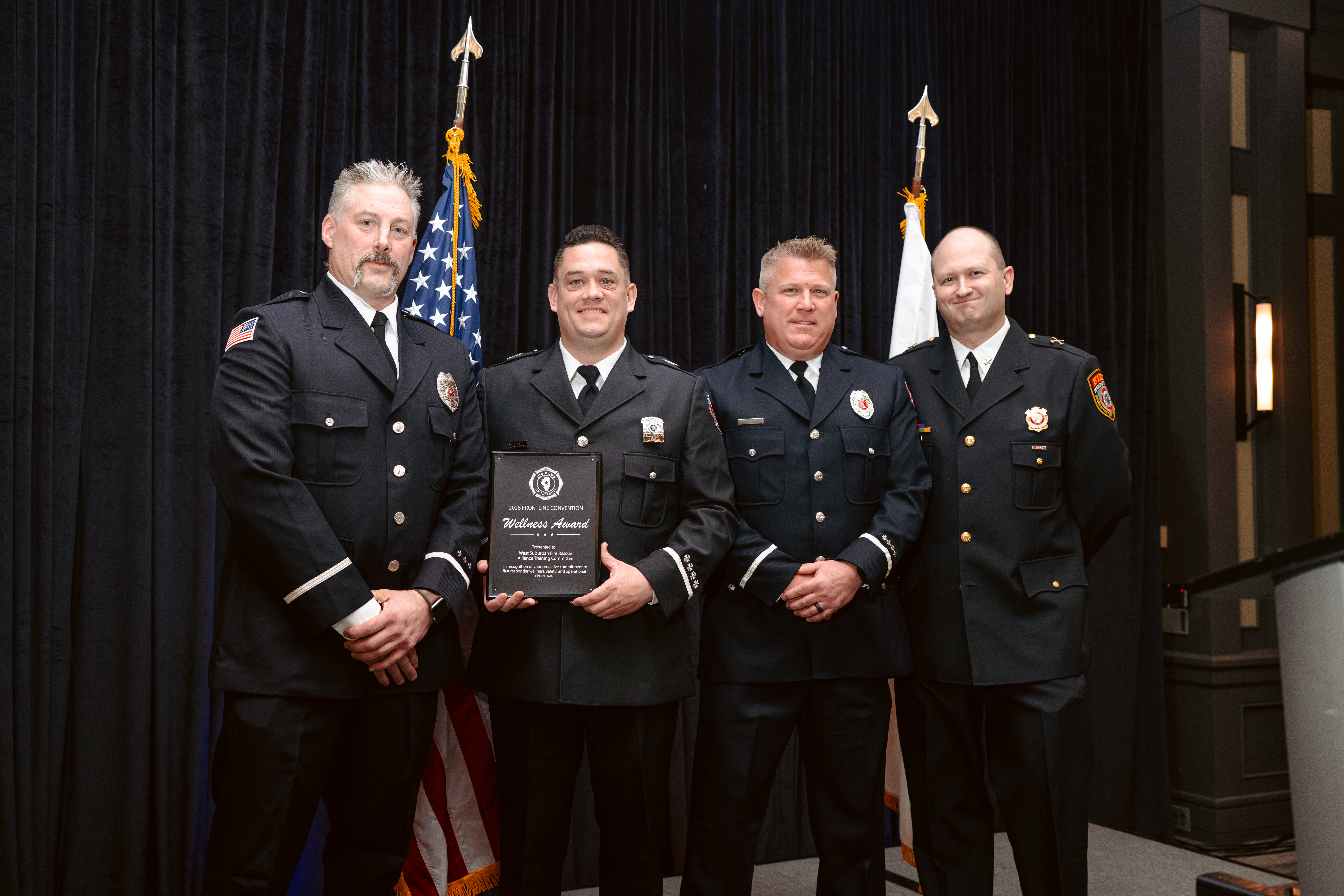
2026 Wellness Award 

Being an advocate for first responder mental wellness and resiliency is critical in our mission. Recognizing first responders who do this and go above and beyond for their peers is always exciting! Now, we want to formally acknowledge some of those members with our Frontline Wellness Award! Nominate individuals or departments who have gone above and beyond to support mental wellness and/or wellness programming and join us for recognizing selected nominees at our Frontline Convention in March! Nominations are due no later than December 31, 2025.


*Subject to change

MONDAY, MARCH 2

TUESDAY, MARCH 3

7:30 AM-8:30 AM Registration

Find us at the registration table in the main foyer and enjoy networking with our resource and provider tables. There will be a light breakfast and refreshments. 

8:30 AM - 11:00 AM Welcome & Keynote Speaker

Honorguard and Welcome

Keynote Speaker: Stephen James

Keynote Title: The impact of sleep, loss and fatigue on health, safety, and performance. 

Description: Modern society is dependent on first responders providing services 24/7, despite mounting evidence for negative physical and mental health outcomes from sleep displacement due to shift work. This talk reviews short- and long-term health consequences of sleep displacement and circadian misalignment due to shift work. The impact of sleep loss on cognitive function, decision making, and the ability of the first responder to process stress will also be discussed. Evidence from multiple studies testing strategies to mitigate the effects of fatigue and promote sleep health will be presented. Attendees will come away with a better understanding of why sleep alludes us and how to achieve more sleep. 

Participants will learn be able to describe the short- and long-term physical and mental health consequences of sleep displacement and circadian misalignment associated with shift work in first responders, explain how sleep loss and fatigue impact cognitive functioning, decision-making, emotional regulation, and stress processing in high-risk operational environments, identify evidence-based strategies shown to mitigate fatigue, impeove sleep, and improve circaridan health among shift-working first responders, and apply practical sleep health principles to individual work schedules and operational demands to enhance resilience, performance, and overall well-being. 

11:15 AM - 12:30 PM Workshop Sessions

Session Title: How to Encourage Participation in Your In-House Wellness Program 

Presenter: Heather McCutcheon

Description: The best way to introduce your department to wellness options is to host in-house events as part of a broader wellness program. There are many great topics to offer: yoga, financial counseling, aromatherapy, Reiki, and more. But how do you get your team to participate in these new and unfamiliar events? It can be challenging—but it doesn’t have to be. The Reiki Brigade has transformed skeptics into eager participants at institutions like the Chicago Police Department, Fire Department, and VA hospitals. Learn how to generate enthusiasm for your program and build a culture that embraces and prioritizes wellness. 

Session Title: Justice in Your Wallet: Equipping Officers for Success 

Presenter: Tim Cooney

Description: Justice in Your Wallet is a no-sales-pitch, real-talk financial wellness training led by a current Deputy Chief of Police, not an investment salesman. The session explores the root causes of financial stress, introduces proven strategies to break the paycheck-to-paycheck cycle, and empowers first responders to take control of their money—without feeling overwhelmed. Participants will leave with practical tools, powerful mindset shifts, and actionable items. 


Session Title: The Traumatized Brain: Understanding PTSD, Cumulative Stress & the First Responder Nervous System 

Presenter: Dr. Beau Nelson

Description: First responders face extraordinary challenges that can rewire the brain and nervous system over time. This session explores how trauma, repeated high-stress exposure, and critical incidents affect brain function, emotional regulation, and overall health. Attendees will gain insight into the neuroscience of PTSD and cumulative stress, including how these changes impact thinking, decision-making, and relationships. The presentation will also highlight practical strategies to promote resilience, support recovery, and protect the mental health of those who serve on the front lines. 


Session Title: When the Mind Takes the Hit: How Head Injuries Shape the Mental Health of First Responders 

Presenter: Lauren LaDere

Description: Traumatic brain injuries (TBI) and chronic traumatic encephalopathy (CTE) can leave invisible wounds that affect first responders long after the call is over. This session explores the signs and symptoms of brain trauma, its impact on mental health, increased suicide risk, and overall well-being, and offers guidance on when and how to seek professional support. 

12:30-2:00 PM Lunch

Join us for lunch in the main Ballroom and network with our vendor tables in the main hallways.

2:00 PM-3:15 PM Workshop Sessions

Session Title: Beyond the Badge: Cancer Prevention, Early Detection, and Support for First Responders 

Panel Presenters: Vickie Speed and Shenanodah Constantino

Description: First responders face unique occupational exposures that increase their risk for certain cancers, yet prevention, early detection, and post-diagnosis support often remain under-addressed. This panel brings together experts, researchers, and practitioners to share firsthand experiences, emerging research, and established programs focused on reducing cancer risk, improving early detection, and supporting first responders diagnosed with cancer. Attendees will gain insight into current best practices, barriers to care, and innovative approaches to supporting the physical, emotional, and occupational well-being of first responders and their families. 


Session Title: Reigniting Trust: Leadership, Culture, and Conflict within the Department

Presenter: Kenny Close

Description: This session explores how all levels of leadership shapes department culture, especially in times of conflict and organizational stress. Drawing on principles from mediation, systemic leadership, and frontline experience, participants will examine strategies for transforming conflict into growth, building trust, and aligning daily leadership behaviors with department values. Through interactive activities, reflective discussion, and practical tools, attendees will leave with a framework they can immediately apply to strengthen leadership and reduce destructive conflict.


Session Title: The Fractured Mind

Presenter: Evan Easter

Description: In this powerful presentation, Evan Easter shares the unfiltered reality of life in high-stakes specialty units—the chaos, the hidden trauma, and the toll it takes over time. Through gripping personal stories, he reveals how trauma can quietly build beneath the surface, culminating in a breaking point that changed his life forever. After surviving a critical incident involving an active shooter in 2021, he sought help, began treatment, and discovered the path to recovery through specialized care such as EMDR therapy. His journey from crisis to healing offers a message of resilience and hope for first responders struggling in silence—proof that recovery is possible and that no one has to face it alone. 


Session Title: Rest for the Rescuers: Faith and Mental Health in the First Responder Community 

Presenter: Matt Blair

Description: This presentation explores the intersection of faith, trust, and mental wellness in the lives of first responders. Through biblical storytelling, practical teaching, and interactive group breakouts, attendees reflect on how faith provides light in dark times, how trust is cultivated both personally and professionally, and why self-care and spiritual grounding are essential for those on the front lines. Rooted in the story of the four friends who carried a paralyzed man to Jesus, the session asks each participant: Who carries you when you can’t carry yourself? From that foundation, the presentation walks through 8 steps to building trust, the example of Jesus’ leadership, the spiritual truth behind12-Step recovery, and the compassionate, non-converting mission of The Well. Ideal for first responders, chaplains, peer supporters, and faith leaders alike, this session emphasizes one central truth: You are not alone. 

3:30 PM - 4:45 PM Workshop Sessions

Session Title: Breaking the Silence: Addressing Stigma and Strengthening Mental Health Support in First Responder Communities 

Presenter: Traci Tauferner and Rich Creamer

Description: Language around mental health is powerful, but also tricky. Words like trauma, stigma, resilience, mental illness, and even wellness can land very differently depending on the audience. Join us to discuss organizational attitudes and environments that embrace individuals or inhibit resource utilization.   

Panelists will share candid perspectives on the role of stigma in mental health along with insight on how we might shift culture. Expect honest dialogue, real stories, and a space to explore the language and leadership needed to dismantle barriers and increase support. 


Session Title: EMDR: What is it and How Can it Help Build Resilience in First Responders

Presenter: Patty Dirilten

Description: This presentation will focus on helping the audience understand the Adaptive Informational Processing (AIP) model and the 8 phases of EMDR. Additionally, this presentation will provide insight on how EMDR can be used with first responders to mitigate the impacts of the job over time, increasing resilience in the job, less stress, and a happier home life. 


Session Title: Promoting Wellness Through Specialized Services for Families of Line of Duty Death and Injury 

Presenter: Iva Rody

Description: In a matter of seconds, officers can go from responding to crime to becoming victims themselves. In 2023, over 79,000 LEO’s were assaulted, many wounded or killed ambush style. Compounding is the heightened risk of responding to DV and mental health. Despite well documented risks, there’s a lack of victim services for LE survivors and families who face immediate and long-term impacts from these complex traumas. One study shows there’s a “tragically insufficient” amount of attention given to such cases, noting that only “7% of officers surveyed had received any victim services” and “15% of officers wanted to speak out but feared peer pressure”. This presentation highlights the need, benefits, and current efforts to expand victim services for those victimized in the line of duty.  


Session Title:  Investment and Tax Strategies for Police Officers and Firefighter EMTs

Presenter: Michael Distasio

Description: Police Officers and Firefighter EMTs face unique financial challenges and opportunities throughout their careers—from the day they graduate the academy to the moment they hang up their uniform. With distinct tax rules, pension structures, and workplace benefits, First Responders have access to powerful financial tools but often receive little education on how to use them effectively. Attendees will learn how to avoid common mistakes, make the most of their benefits, and take proactive steps to improve their long-term financial outcomes. The decisions made today can significantly impact a First Responder’s retirement readiness, financial flexibility, and overall tax burden. 


Session Title: Legal Considerations of Mental and Physical Health for First Responders

Presenter: Jerry Marzullo

Description: This presentation will discuss any and all of the legal issues facing first responders and answer any questions attendees may have including but not limited to understanding disability pensions; FOID cards; leaves of absence, and discipline as well as the intersection between mental health and the job status of first responders

4:45 PM Complimentary Dinner

Join us in the main Ballroom for Mission BBQ!

7:30 AM-8:30 AM Registration

Find us at the registration table in the main foyer and enjoy networking with our resource and provider tables. There will be a light breakfast and refreshments.

8:30 AM - 11:00 AM Welcome & Keynote Speaker

Welcome

Keynote Speaker: Chris Prochut

Keynote Title: Taking Care of Our Own

Description: Starting with a discussion of suicide and depression warning signs, we examine the paradigm shift taking place within law enforcement and others in the “helping community” in which it is becoming increasingly OK to ask for help. Addressed are the topics of stigma, the “suck it up” attitude, the “I’m Fine” façade, and the myth that seeking help is a sign of weakness all culminating with one simple solution; TALK!

11:15 AM - 12:30 PM Workshop Sessions

Session Title: Community Risk Reductions Starts with Department Risk Reduction

Presenters: Matt Perez and John Koch

Description: Community Risk Reduction is a process of identifying and prioritizing hazards and risks to a community and then finding ways to mitigate or eliminate them As with any emergency response, departments must make sure that first responder safety is the top priority This presentation will highlight the benefits to firefighters in relation to establishing a Community Risk Reduction process.


Session Title: Hidden In Plain Sight: Why Wellness Matters More Than You Think 

Presenter: Ulgochi Jones

Description: Many officers who appear high-performing and reliable are quietly struggling with substance use, chronic stress, and burnout. This is a reality law enforcement recognizes but rarely discusses openly. 

Drawing on national data and real-world examples, this presentation examines how wellness challenges often go unaddressed—or worse, met with discipline rather than support. The result is a familiar cycle: corrective action, temporary improvement, relapse. Left unchecked, these struggles affect not only the officer but also their colleagues, their families, and the communities they serve. 

Officer wellness has gained visibility in recent years, but awareness alone isn’t working. The data points to an urgent need for support systems that account for what the job actually demands—regular trauma exposure, high-stakes decision-making under scrutiny, and a culture that often discourages vulnerability. 

This session will explore these cycles, examine where current approaches fall short, and consider what meaningful change might look like. But it won’t offer a one-size-fits-all solution. The goal is an honest, interactive conversation—drawing on the collective experience of frontline officers, leaders, and supporters to discuss what works, what doesn’t, and how the profession moves forward. 


Session Title: Movement, Recovery, and Ergonomic Strategies for Tactical Resilience

Presenter: Traci Tauferner

Description: First responders wear the weight of the job, literally. From duty belts to ballistic vests and turnout gear, physical load and poor ergonomics contribute to injury, fatigue, and performance breakdown. In this interactive session, we’ll connect the dots between gear setup, movement quality, and nervous system health. Participants will explore hands-on techniques to improve mobility, reduce strain from daily wear, and restore balance through tactical movement and nervous system reset strategies. Leave with field-tested tools to build career longevity, reduce injury, and move better on and off the job.

Session Title: Tactical Decompression with Sensory Modulation

Presenter: Bonnie Eckman

Description: This session explores how sensory-based techniques can help first responders improve self-regulation, self-care, and stress management. Participants will learn practical tools using all eight senses: sight, sound, taste, smell, movement, body position, and internal sensations to promote relaxation, reduce anxiety, and build resilience. Through interactive activities and real world examples, attendees will discover how to integrate sensory strategies into daily routines to better manage stress, maintain focus, and enhance overall well-being both on and off duty. 


Session Title: Erasing the Stigma: Understanding and Treating Posttraumatic Stress in First Responders 

Presenter: Chief Melinda Linas and Dr Karen DeCocker

Description: Posttraumatic stress is not a sign of weakness—it’s a physiological injury to the brain that can and should be treated as such. In this powerful session, Dr. Karen DeCocker of Stella Mental Health explains the science behind posttraumatic stress, the neurological impact of trauma, and the distinction between PTSD and Post-traumatic Stress Injury (PTSI). Participants will learn how Stellate Ganglion Block (SGB) and Dual Sympathetic Reset (DSR) treatments help reset the nervous system and aid recovery from the constant fight-or-flight state common among first responders. 

Chief Melinda Linas shares her personal journey through post-traumatic stress, offering an authentic perspective on the realities of PTSD in law enforcement. Her story highlights the need for a culture that embraces wellness, alternative treatments, and open conversation to reduce stigma and support healing. 

This presentation combines science, storytelling, and solutions to reframe trauma as an injury that deserves understanding and treatment. 


12:30 PM-2:00 PM Lunch

Join us for lunch in the main Ballroom and network with our vendor tables in the main hallways.

2:00 PM - 3:15 PM Workshop Sessions

Session Title: Correctional Officer Mental Health & Wellness Obstacles

Presenter: Jeremy Carlson

Description: This presentation will focus on the world of corrections officers, how and why we struggle mentally and physically. The growing suicide rate and health decline in the field of corrections. 

How do we take a proactive approach to these struggles and turn the direction of the career path to a more positive outlook. 

Session Title: Trauma and Anxiety: Beyond Words

Presenter: Dr. Emily Barker

Description: It is no secret that many First Responders can’torwon’ttalk about their struggles, causing a significant barrier to seeking help or treatment. But what if you could decrease symptoms such as anxiety, hypervigilance, intrusive thoughts,irritabilityand poor sleep without having to “talk about the things”? Attendees will learn about types of therapy that help heal trauma and anxiety without having to “talk about the things”.They will also be led through a series of highly effective Cranial Nerve X self-help techniques to restore nervous system balance, decrease anxiety, and improve sleep and resilience.

Session Title: Protecting Your Legacy: Putting Our First Responder Families First 

Presenter: Chuck Volpentesta

Description: This session will highlight the importance of wills, trusts, and comprehensive life insurance planning in achieving long-term financial security. Attendees will gain insight into strategies that support stability during their careers and into retirement, offering first responders and their families lasting peace of mind. 


Session Title: Where Does “It” Go?

Presenter: Ken Tworek

Description: Where Does “It” Go? is an insightful presentation that helps law enforcement officers understand the hidden impact of trauma exposure on their physical, mental, and emotional well-being. While officers are trained to manage stress in the moment, unresolved trauma often lingers—affecting decision-making, relationships, and overall health. 

This session explores how compartmentalization, while necessary for the job, can lead to accumulated stress if left unaddressed. Attendees will gain practical tools to recognize, process, and mitigate the effects of trauma while promoting a culture of proactive mental wellness. 

Testimonials

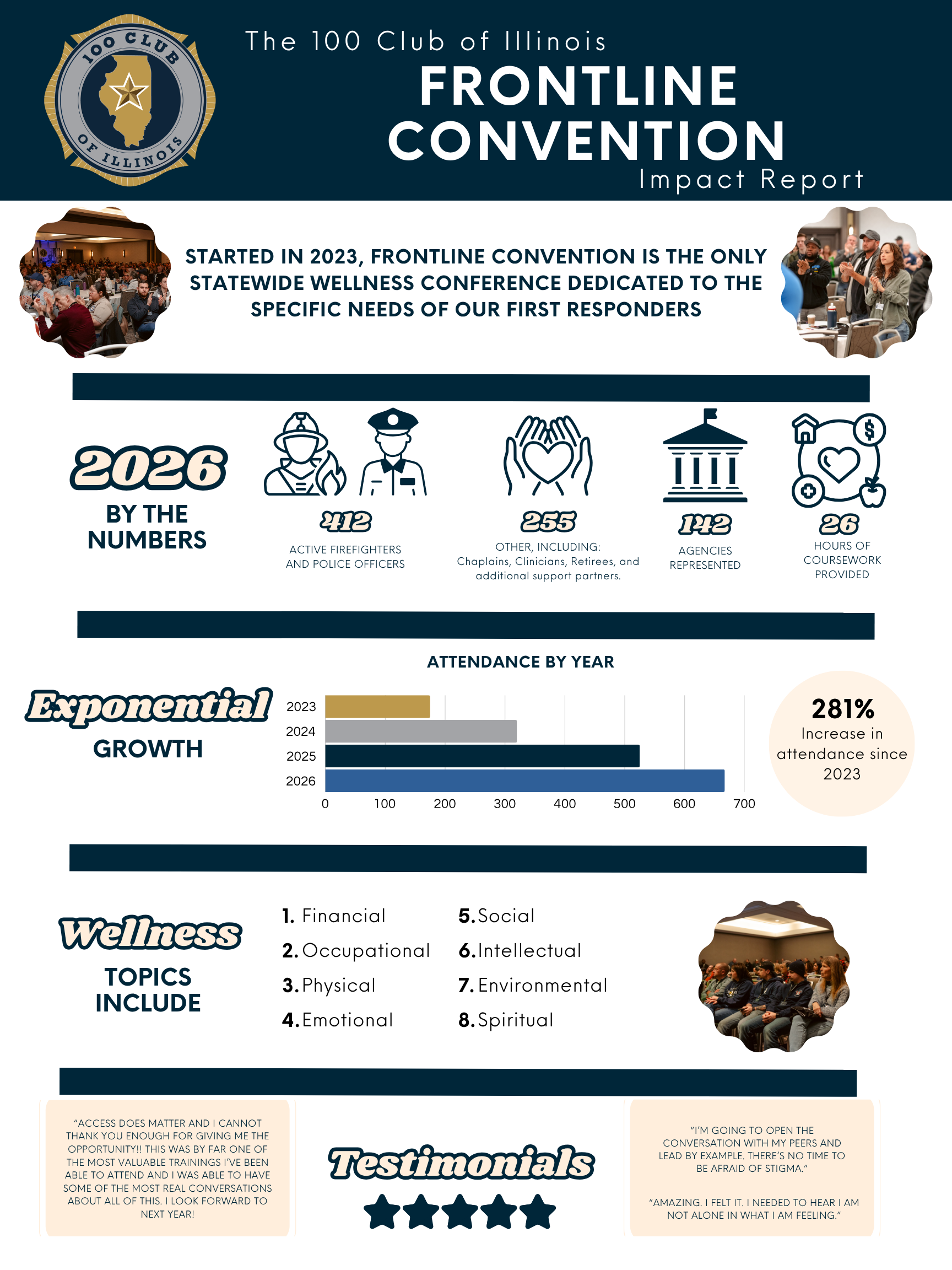
This was a very good convention. This was my first time attending and I will be back next year for sure! Thank you!

The conference was excellent, providing a solid overview of the challenges we face and the many resources available. The programs were well planned and efficiently used the available time.

I really liked the location of the convention and the venue. It was easy to get to, it was clean and attractive, and it had fantastic informal gathering spaces. And the informal spaces were sunny and bright and looked out at nice scenery. It felt restful and peaceful which is the total opposite of where we all work every day.

The K-9 Breakout session was fantastic. I learned how to get a therapy k-9 program started at my police department. My department was very pleased with the results of this convention. I believe the convention could grow to five times the size it was this year in the next couple of years!

10/10 will attend next year!

I didn't find anything not helpful. If anything, there was TOO much great stuff! Had trouble deciding which presenter workshops to attend.

Excellent conference! Great resources and very friendly staff! 10/10!

Great convention! Very professional and well put together with valuable speakers and information.

REGISTER FOR FRONTLINE CONVENTION

THANK YOU TO OUR SPONSORS

PRESENTING SPONSOR

FRIEND SPONSOR

SPONSORSHIP AND VENDOR OPPORTUNITIES

Sponsorship and vendor opportunities to support our convention are available. Please contact Kelsey Tomko at ktomko@100clubil.org for further information.

THANK YOU TO OUR CONVENTION ENDORSEMENTS
ABOUT THE HOTEL & CONFERENCE CENTER

Simplify your convention experience by taking advantage of the 100 Club of Illinois room block at $122/night (Plus $14.95 USD resort charge per night, plus tax) for a single king size room.

The deadline to book your room with this discounted rate is February 17, 2026.

The resort and conference center is surrounded by a serene 150-acre estate that includes the Audubon-certified 18-hole Willow Crest Golf Club, just 25 minutes from Chicago O’Hare International Airport. They have a lakefront outdoor pool, tennis, basketball, and volleyball courts, a spa, two golf simulators, and two restaurants.

CHECK-IN TIME: 4:00 PM

CHECK OUT TIME: 12:00 PM

Call Now Button